

The F. M. Kirby Prize for Scaling Impact is an annual global prize providing $150,000 in unrestricted funding to an impact enterprise poised to significantly accelerate its impact at scale.
We seek organizations pursuing strategic pathways to impact at scale, grounded in proximity to the challenges they address and the voices of those they serve, with demonstrated traction and courageous, collaborative leadership.
Any legal structure
Any geography
Any impact area
The 2027 F. M. Kirby Prize for Scaling Impact has reached its limit of 250 submitted applications, and the application period is now closed. Thank you for the tremendous interest in this year’s Prize! We look forward to announcing the finalists in March 2027.
Named after early entrepreneur Fred Morgan Kirby, this award is made possible through the generous partnership of the F.M. Kirby Foundation.
Is the Kirby Prize Right for Your Organization?
The F. M. Kirby Prize for Scaling Impact is designed for impact enterprises at a particular stage in their scaling journey: organizations with demonstrated impact and traction that are ready to pursue significantly greater impact at scale—and for which $150,000 in unrestricted funding could meaningfully accelerate that journey.
Strong Kirby Prize applicants typically:
- Demonstrate meaningful impact. They have robust evidence that their solution is creating meaningful outcomes for the people, communities, or systems they seek to impact.
- Show impact and traction over time. They can provide at least three consecutive years of meaningful KPI data demonstrating both the impact and reach of their solution, building a track record of outcomes, demand, and potential for greater reach.
- Have proven their solution in real-world settings. Their solution has moved beyond early pilots or highly controlled testing and demonstrated meaningful impact under the conditions in which it is intended to operate.
- Have ambitious plans for impact at scale. They have a clear strategy for substantially accelerating the breadth and/or depth of their impact over the next 3–5 years—not simply growing the organization or incrementally increasing reach.
- Have a feasible pathway to get there. They have done enough initial testing and learning to have confidence that their proposed pathway to impact at scale is feasible and to understand what successful implementation will require.
In short: we’re looking for organizations that have demonstrated that their solution works, are ready to pursue an ambitious next stage of impact at scale, and are at a point where the Kirby Prize can meaningfully contribute to their effort.
Application Process & Timeline
LIVE Q&A SESSION
PHASE 1 APPLICATION
October 22, 2026
Phase 1 application opens for all eligible enterprises
Confirm your eligibility before applying and review the application questions. Check our FAQs and submit any additional questions here.
December 2, 2026 11:59 PM EDT OR when 250 applications are received, whichever comes first*
Phase 1 application closes
*The selection committee will review the first 250 eligible applications submitted. The application period will close as soon as that limit is reached, even if that occurs before December 2.
January 8, 2027
All applicants notified of their status
A subset of applicants will be invited to Phase 2
PHASE 2 APPLICATION
January 8, 2027
Phase 2 application opens for invited applicants
January 25, 2027
Phase 2 application closes
March 2, 2027
All Phase 2 applicants notified of their status
FINALIST ROUND
March 2, 2027
Finalists invited to interview round
March 29-April 8, 2027
Finalists participate in final review, including virtual 60-minute interview with selection committee
May 2027
Winner notified
WINNER ANNOUNCED
June 2027
Public announcement
Before You Apply
The F. M. Kirby Prize for Scaling Impact is more than a $150,000 award. We designed the Prize to provide flexible capital, useful learning, thoughtful feedback, and increased visibility to organizations working toward impact at scale.
$150,000 in unrestricted funding. The winner determines how best to use the Prize to advance its strategy for impact at scale, with the flexibility to learn, adapt, and pivot along the way.
An application designed to add value. Our questions and guidance are intended to help organizations sharpen how they articulate their impact, scaling strategy, and readiness. Past applicants have told us that the process strengthened their thinking and future funder conversations.
A tiered process that respects your time. The open first round asks for limited information; we request deeper diligence only from organizations that advance. Finalists also receive a $1,000 award in recognition of the time invested in the process.
Meaningful feedback. Organizations advancing to Phase 2 and beyond receive individualized feedback from the Selection Committee to support their continued development.
Visibility and institutional support. CASE profiles all finalists and produces a professional multimedia feature for the winner, creating assets and recognition that can support future fundraising and partnerships.
A thoughtful evaluation process. CASE staff work alongside trained Duke MBA students to conduct rigorous due diligence while examining bias, power dynamics, and the responsibilities that come with making funding decisions.
To apply, your organization must meet all of the following minimum requirements:
- Impact-driven enterprise: Nonprofit, for-profit, or hybrid organization operating with a social/environmental mission or explicit impact objectives.
- Minimum annual operating budget: $250,000.
- Meaningful evidence of impact: Evidence that the solution creates meaningful outcomes—not only activities, outputs, reach, or satisfaction.
- Three-year track record: At least three consecutive years of KPI data demonstrating both impact and reach for the solution you seek to scale.
- Plans for impact at scale: A clear strategy to substantially increase the breadth and/or depth of impact over the next 3–5 years.
- U.S. tax presence: For tax reasons, international enterprise applicants must have an established presence in the US, whereby they are a US taxpayer and hold a federal taxpayer identification number. This could include those recognized as an organization exempt from federal impact tax under IRC section 501(c)3 status, a US-based fiscal sponsorship agreement, or other. An NGO Equivalency Determination does not meet this requirement.
Meeting these requirements establishes eligibility; it does not necessarily indicate strong fit. Please review Is the Kirby Prize Right for Your Organization? and Common Reasons Applications Do Not Advance, below, before applying.
Each year, we receive applications from many impressive organizations. Meeting the Prize’s eligibility requirements, however, does not necessarily mean an organization is a strong fit. Many applicants do not advance because they are not yet—or are no longer—at the stage the Kirby Prize is designed to support.
Before investing time in an application, we encourage you to consider these common reasons applications do not advance beyond the first round:
- Insufficient evidence of meaningful impact. Evidence primarily demonstrates activities, outputs, reach, or participant satisfaction rather than meaningful outcomes. For example, a workforce training program reporting people trained—but not job placement, retention, or income gains—would be unlikely to advance.
- Insufficient track record or traction. Applicants should have at least three consecutive years of KPI data demonstrating both impact and reach, and most solutions require considerably longer to build compelling evidence of impact, demand, and reach potential. Past Kirby Prize winners had operated for 7–14 years, averaging 11 years, before receiving the Prize.
- Limited real-world implementation. Evidence comes primarily from pilots, experiments, or unusually controlled settings that may not reflect broader implementation conditions. For example, strong results from a small group of schools receiving intensive oversight may not yet demonstrate that an education model will work under typical school conditions.
- No clear strategy for impact at scale. The organization may be doing strong work, but its plans focus primarily on sustaining or incrementally growing current programs or operations rather than substantially increasing the breadth and/or depth of impact.
- The pathway to impact at scale is largely untested. The strategy depends on significant new assumptions that have not yet been sufficiently tested. For example, an organization planning to scale through other organizations may not yet have worked with initial partners to understand what adoption and successful implementation will require.
- Already operating at significant scale. The organization has already achieved substantial scale or maturity such that the Kirby Prize is unlikely to meaningfully accelerate its trajectory. As a general guide, organizations with annual budgets above $10 million are typically beyond the Prize’s target stage.
The Kirby Prize is looking for the right organization at the right stage—not simply the largest or most established organization. If one or more of these describes your organization, we encourage you to consider whether this is the right year to apply.
IMPACT
Does the organization deeply understand the problem it seeks to address, have a credible theory of change, and provide compelling evidence that its solution creates meaningful impact and has demonstrated demand and traction?
READINESS FOR IMPACT AT SCALE
Does the organization have an ambitious and credible strategy for substantially greater impact—and has it begun testing the pathway, partnerships, operating models, or other assumptions that strategy will require?
LEADERSHIP & TEAM
Does the organization demonstrate integrity, resourcefulness, resilience, meaningful collaboration, accountability to those it serves, and the leadership capacity needed for its next stage?
Applicants invited to Phase 2 undergo deeper evaluation of their business/operating model, financial viability, scaling ecosystem, organizational infrastructure, risks, learning systems, and team readiness.
If you’re considering applying, we recommend the following resources:
- Understand what we mean by ‘impact at scale’ by watching Scaling vs. Scaling Impact
- Pressure-test your evidence and scaling readiness by watching A Framework to Drive Impact and reviewing CASE’s Scaling Readiness Diagnostic.
- Learn what makes a strong Kirby Prize application by reviewing strong response examples, prior applicant feedback, and our article, Why We Didn’t Fund Your Scaling Plan.
- Still have questions? Refer to our FAQ page to see if the information you’re seeking is there.
2026 F. M. Kirby Prize Winner
Congratulations to Chancen International! Learn more about why we’re thrilled to recognize Chancen International as our most recent Kirby Prize winner.
Past Winners
CASE and the F. M. Kirby Foundation has recognized four outstanding enterprises with the F. M. Kirby Prize for Scaling Impact. Learn more about our previous winners and finalists.

2025: Solar Freeze, Kenya
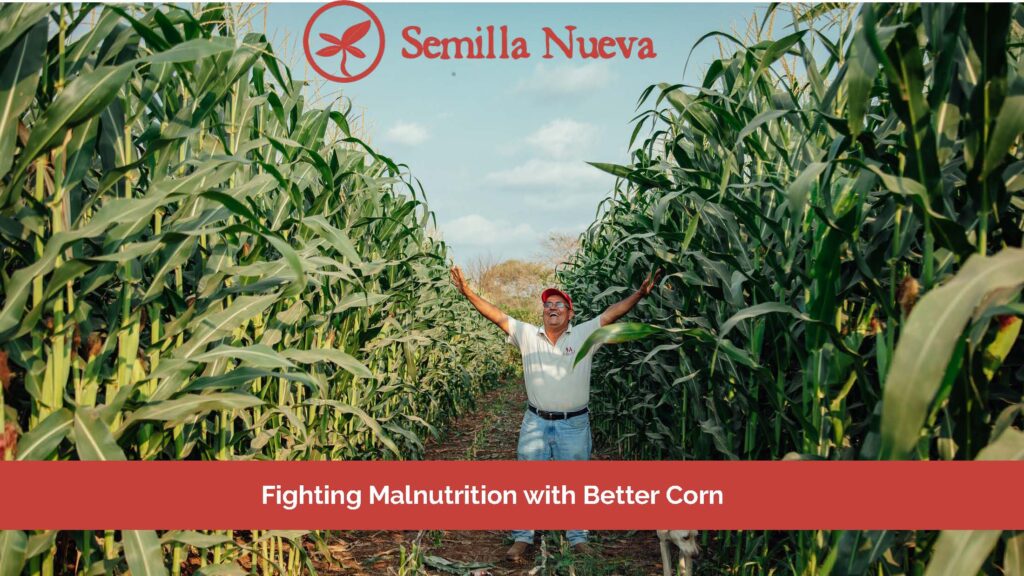
2024: Semilla Nueva, Guatemala
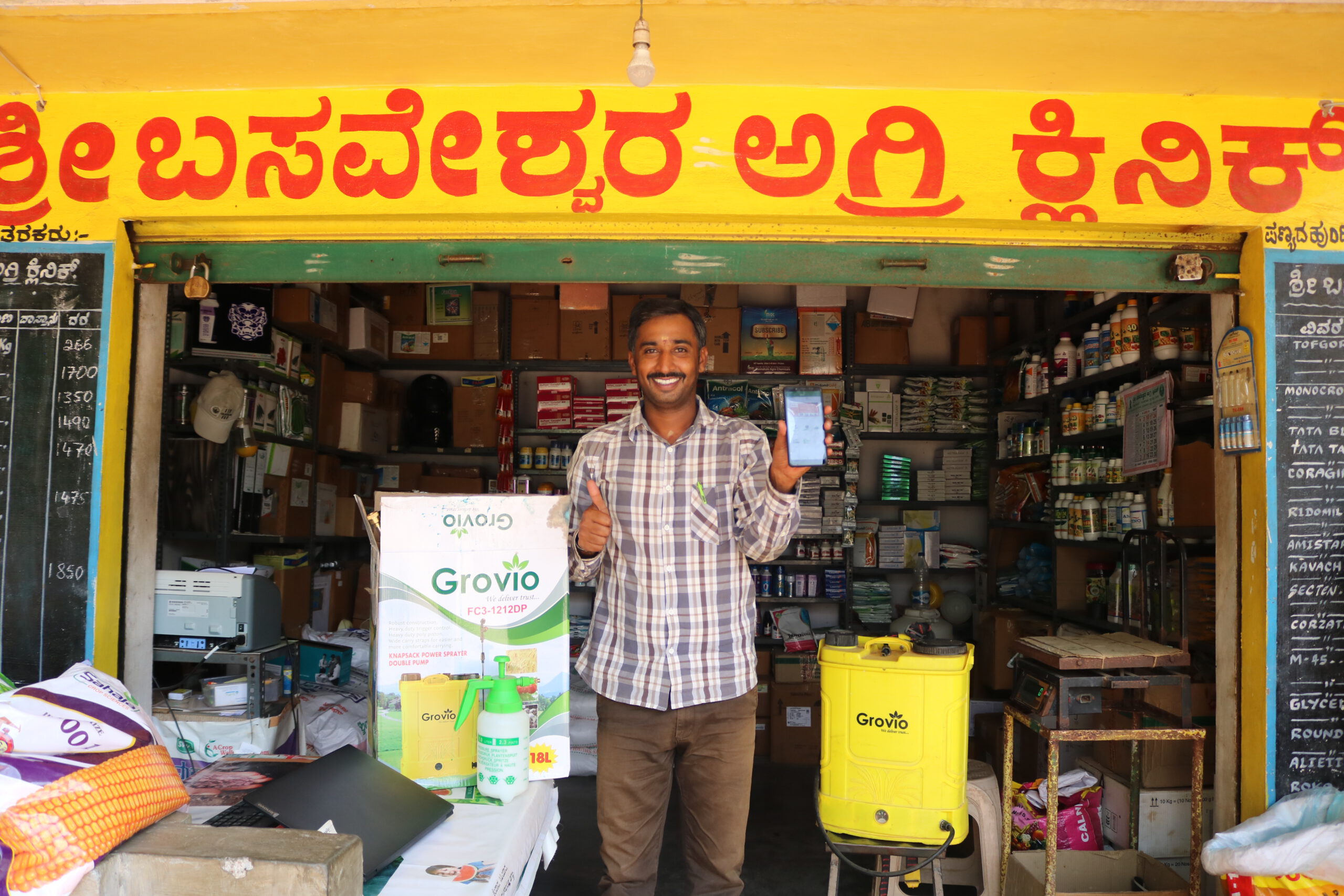
2023: Essmart, India

2022: Math Corps, Minnesota, USA
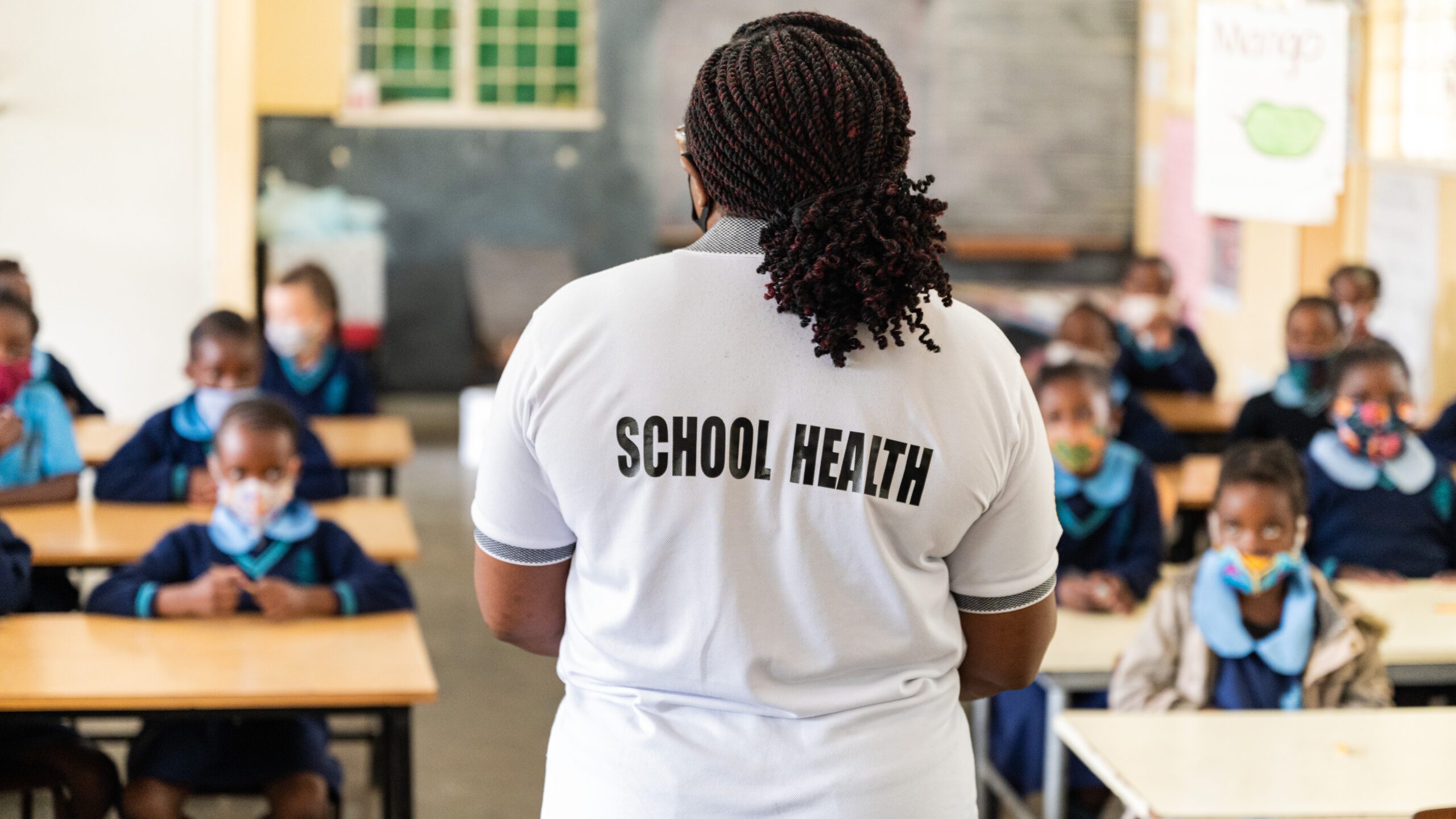
2021: Healthy Learners, Zambia